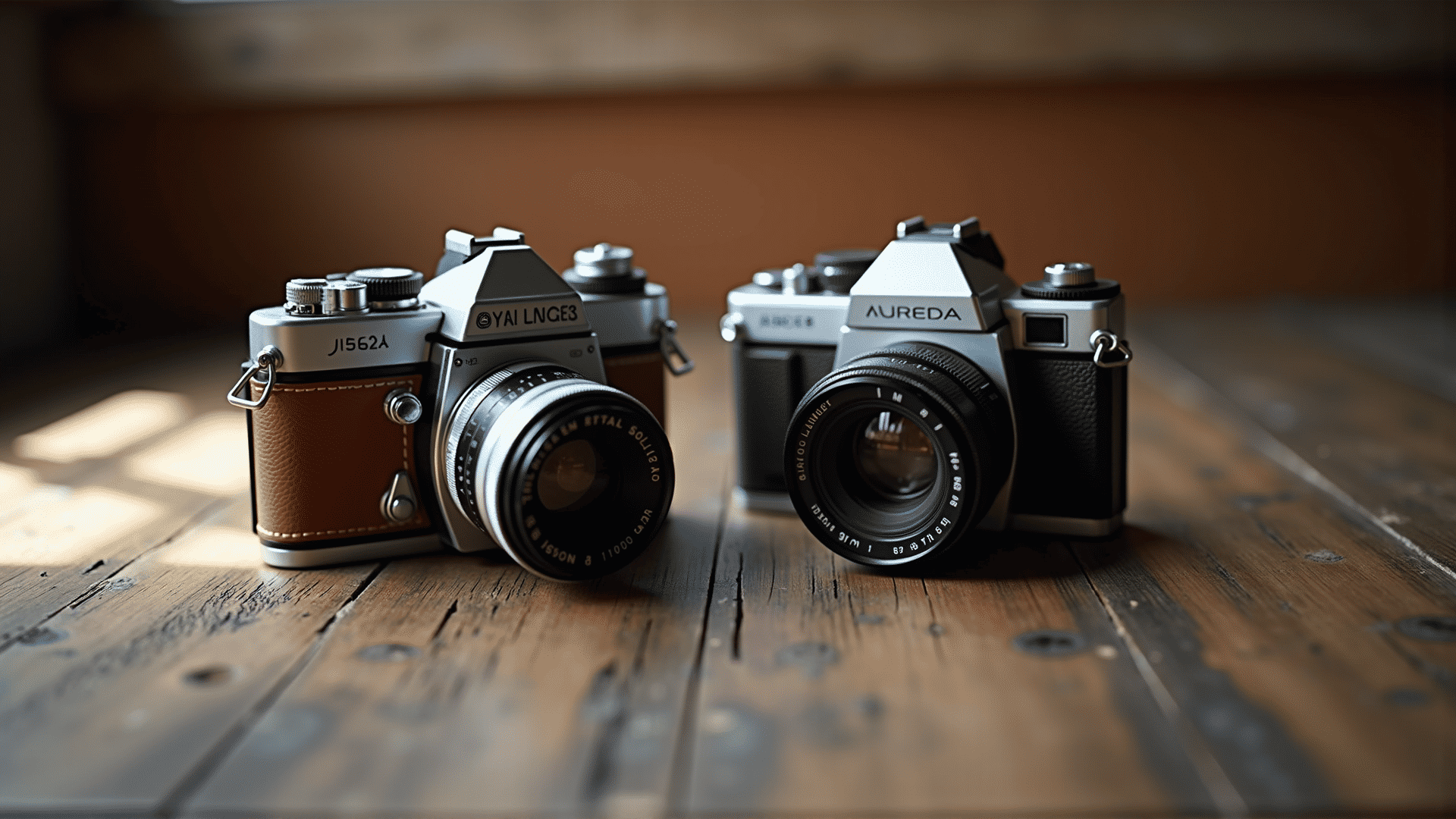
The journey of digital photography is a fascinating narrative that stretches back to its analog roots, marking a significant evolution in both technology and artistic expression. Initially, capturing images was a purely mechanical and chemical process, with early photographers like Louis Daguerre and Henry Fox Talbot pioneering techniques that produced tangible images from light-sensitive materials.
In the analog era, photography was bound by the physical constraints of film. This medium required careful consideration of each shot due to limited exposures on a roll and involved a lengthy process of development in a darkroom. Despite these constraints, this era established the foundations of visual storytelling and compositional principles that remain relevant.
The shift from analog to digital began in the latter half of the 20th century. The prototype of the digital imaging sensor in the 1960s laid the groundwork for future development. The transition gained momentum with the technological progress of the 1970s and 1980s, leading to the creation of the first fully operational digital capture device. This innovation sparked the digital revolution, challenging traditional methodologies and expanding the possibilities of picture-taking.
The advent of digital imaging eliminated many physical limitations associated with film. It allowed creatives to review and edit images instantaneously, altering the workflow and significantly reducing the time between capture and final presentation. This immediacy and flexibility fueled a new wave of innovation, enabling the widespread adoption of digital techniques.
In the contemporary era, digital photography stands as a pillar of modern artistic expression. With advancements in sensor quality and post-processing software, artists have access to powerful tools that enhance creativity. This technology has democratized the medium, enabling artists at all levels to experiment with styles and techniques that were previously inaccessible.
Moreover, digital photography plays a critical role in the broader cultural context. Social media platforms and online portfolios have become modern galleries, showcasing works to global audiences and influencing visual trends. The digital format fosters a continuous interaction between the creator and the audience, facilitating an exchange that can inspire new collaborations and innovations.
In conclusion, the evolution from analog to digital imaging highlights a remarkable transformation that extends beyond simply replacing film with sensors. It represents a broader growth in artistic potential and accessibility. As technology continues to advance, the boundaries of digital photography will inevitably expand, continuing its legacy as both a technical triumph and an artistic endeavor.