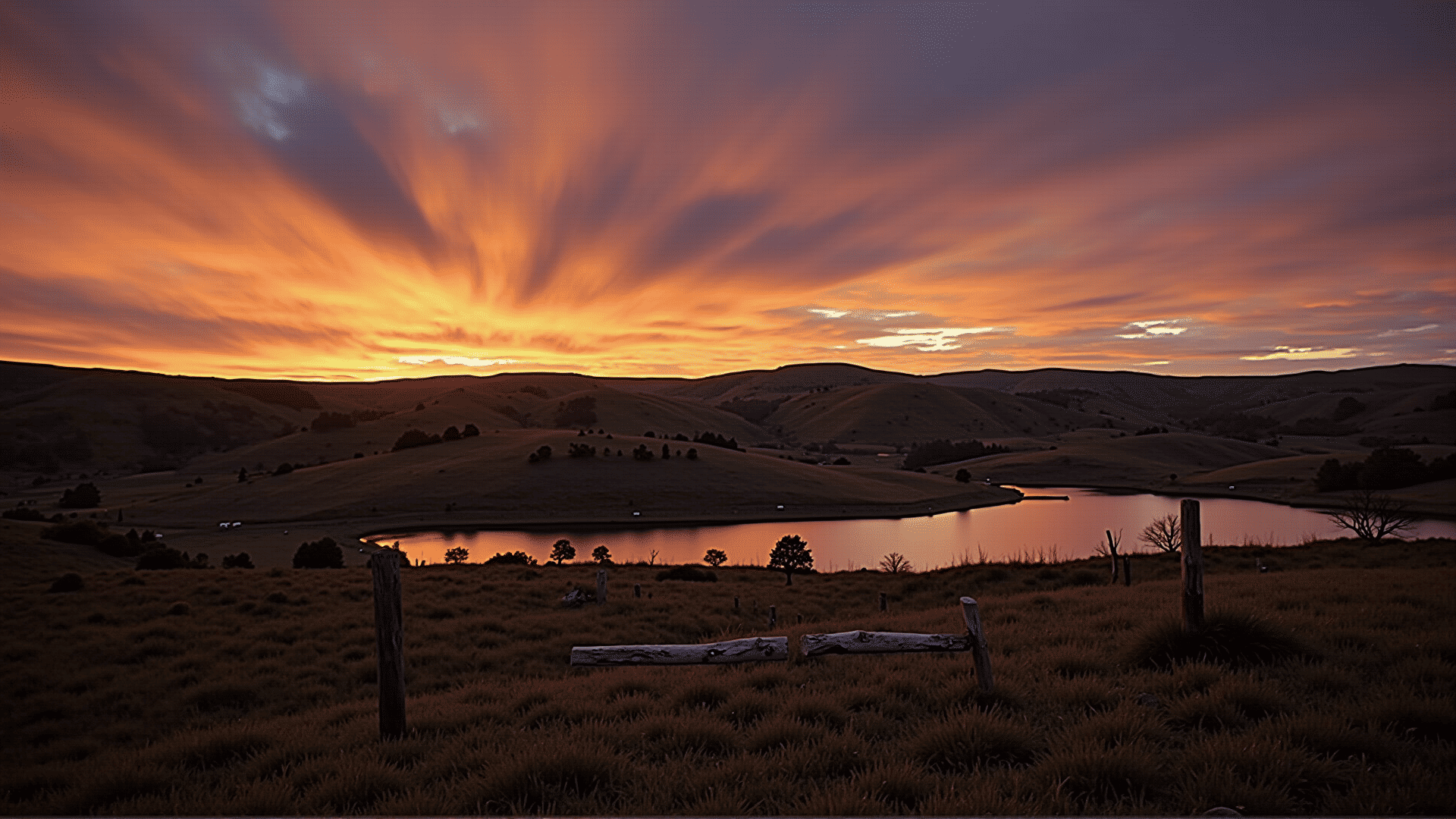
Understanding and mastering lighting is a cornerstone of transforming your imagery from ordinary to extraordinary. The play of light and shadow can dramatically alter the ambiance and emotional impact of your work. Here are some insights into harnessing both natural and artificial lighting effectively.
The Magic of Natural Light
Natural light offers a broad spectrum of colors and intensities, making it a versatile tool for creating stunning visuals. The key is to understand its variations throughout the day.
- Golden Hour: This is the time shortly after sunrise or before sunset when the light is softer and warmer. It provides a flattering glow and long, gentle shadows, ideal for outdoor captures.
- Blue Hour: Occurring just before sunrise or after sunset, this time of day casts a cool, blue-tinted light that can create a serene and moody effect.
- Midday Challenges: The harsh light during midday can often create unwanted shadows and highlights. Using shade or diffusers can help soften this light for better shots.
Utilizing Artificial Lighting
Artificial sources of illumination give you greater control over the environment in which you work, allowing for a highly customizable setup.
- Soft Lighting: Use softboxes or umbrellas to diffuse light, reducing harsh shadows and creating a gentle and even spread.
- Hard Lighting: Direct sources, such as an undiffused spotlight, produce strong shadows and contrast. This can be used creatively to highlight certain features or create dramatic effects.
- Color Temperature: Artificial sources come in a range of color temperatures. Adjusting these can change the mood and feel of your composition, providing warmth or coolness as needed.
Balancing Natural and Artificial Light
Combining both forms can result in balanced visuals with enhanced depth and detail. Consider using a fill light to complement natural sources, ensuring your subjects are properly illuminated without losing the natural ambiance.
Practical Tips for Mastering Light
-
Understand Light Direction: The angle and direction from which light hits your subject can dramatically affect the final outcome. Experiment with backlighting to create silhouettes or side lighting for texture and depth.
-
Control Intensity: Employing reflectors and diffusors can help in managing the intensity of both natural and artificial sources, allowing for precise control.
-
Shadows and Highlights: Embrace shadows for adding depth and interest. Play with contrasts to create dynamic compositions.
-
Experiment: Don't be afraid to try different settings and scenarios. The more you play with various lighting conditions, the better you'll understand how to manipulate them to your advantage.
In conclusion, mastering lighting is about understanding its properties and how it interacts with your surroundings. Whether using the sun or studio setups, you have the power to transform scenes and evoke emotions through your work. Keep experimenting, and soon, lighting will be an intuitive tool in your creative arsenal.