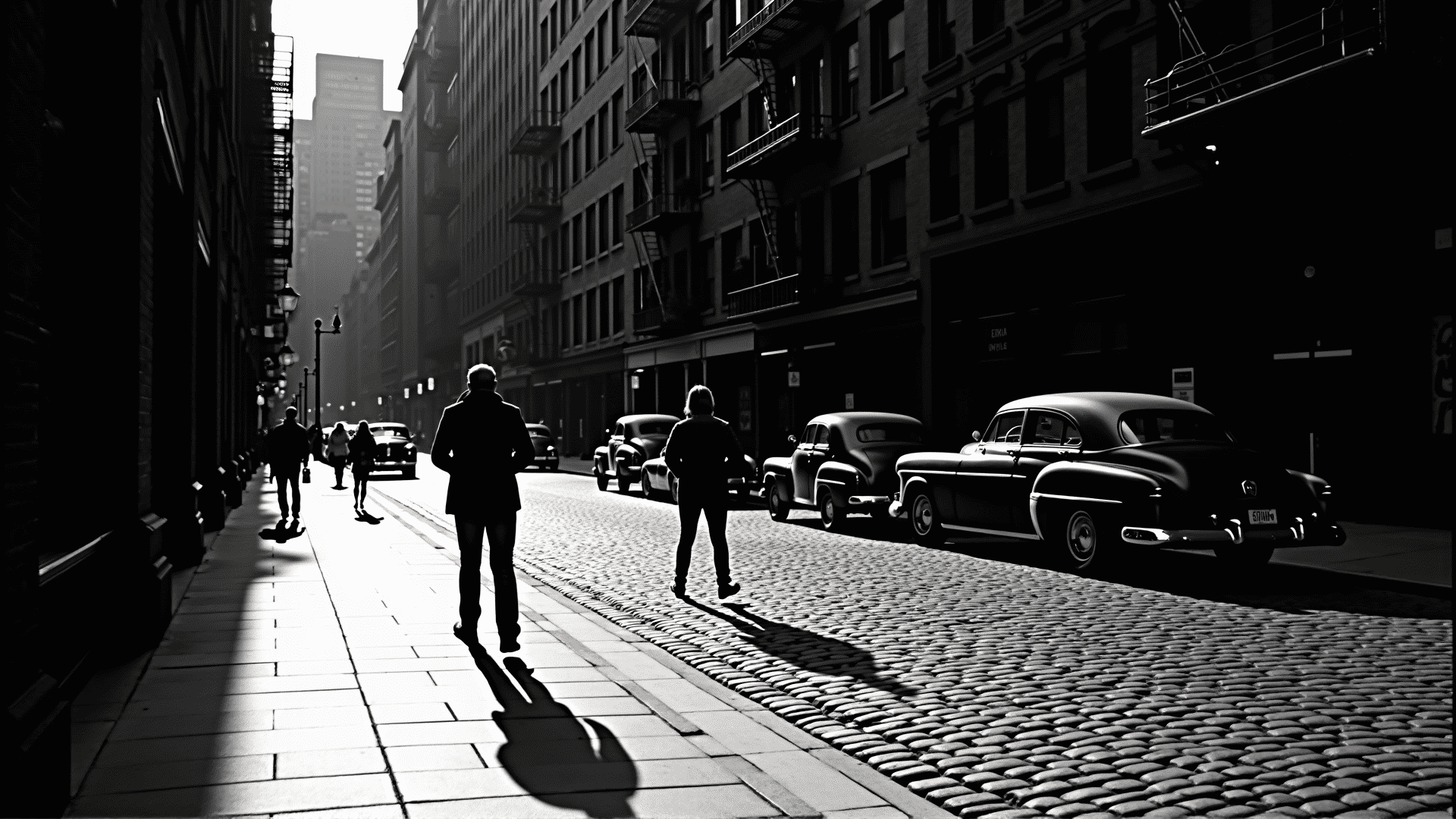
Black and white imagery holds a unique place in the history of visual storytelling, evoking a sense of timelessness and classic elegance. It strips a scene down to its essence, allowing us to focus more on the composition, mood, and narrative without the distraction of color. This form of artistry transforms landscapes, portraits, and abstract scenes into striking expressions that resonate on both emotional and intellectual levels.
At its core, this style of imagery emphasizes contrasts, shadows, and textures which might otherwise be overlooked in colored visuals. These elements converge to bring out the emotional depth of a scene or subject. The absence of color often results in enhanced attention to detail, as viewers naturally focus more on the various shades of gray that form the image’s structure.
The impact of this genre on mood cannot be overstated. Black and white has the power to convey a spectrum of emotions, from the stark coldness of a winter landscape to the warm nostalgia of a childhood memory. Its versatility makes it an ideal medium for capturing everything from the gritty realism of street scenes to the soft vulnerability of intimate portraits.
In terms of storytelling, black and white imagery often lends itself to a more narrative-driven approach. Without the influence of color, the viewer is drawn into a more introspective consideration of the subject, exploring underlying themes and stories with a fresh perspective. Photographers who choose to work with this palette are often able to convey a more nuanced message, drawing viewers into a narrative that is driven by contrast and form.
Moreover, working in black and white can be a transformative experience for both the creator and the observer. For creators, it encourages a deeper exploration of their subjects—urging them to consider how light, shadow, and shapes interact within a frame. For observers, it offers an invitation to see the world in a different light, recognizing the beauty in simplicity.
As we continue to celebrate the artistry of black and white composition, it remains evident that its allure lies in its ability to connect us with the purity of an image’s core elements. It’s a testament to the enduring power of visual storytelling, reminding us of the beauty that can be found in subtlety and nuance. This timeless form of art will continue to inspire both creators and viewers alike, providing a unique lens through which we can observe and appreciate the world around us.