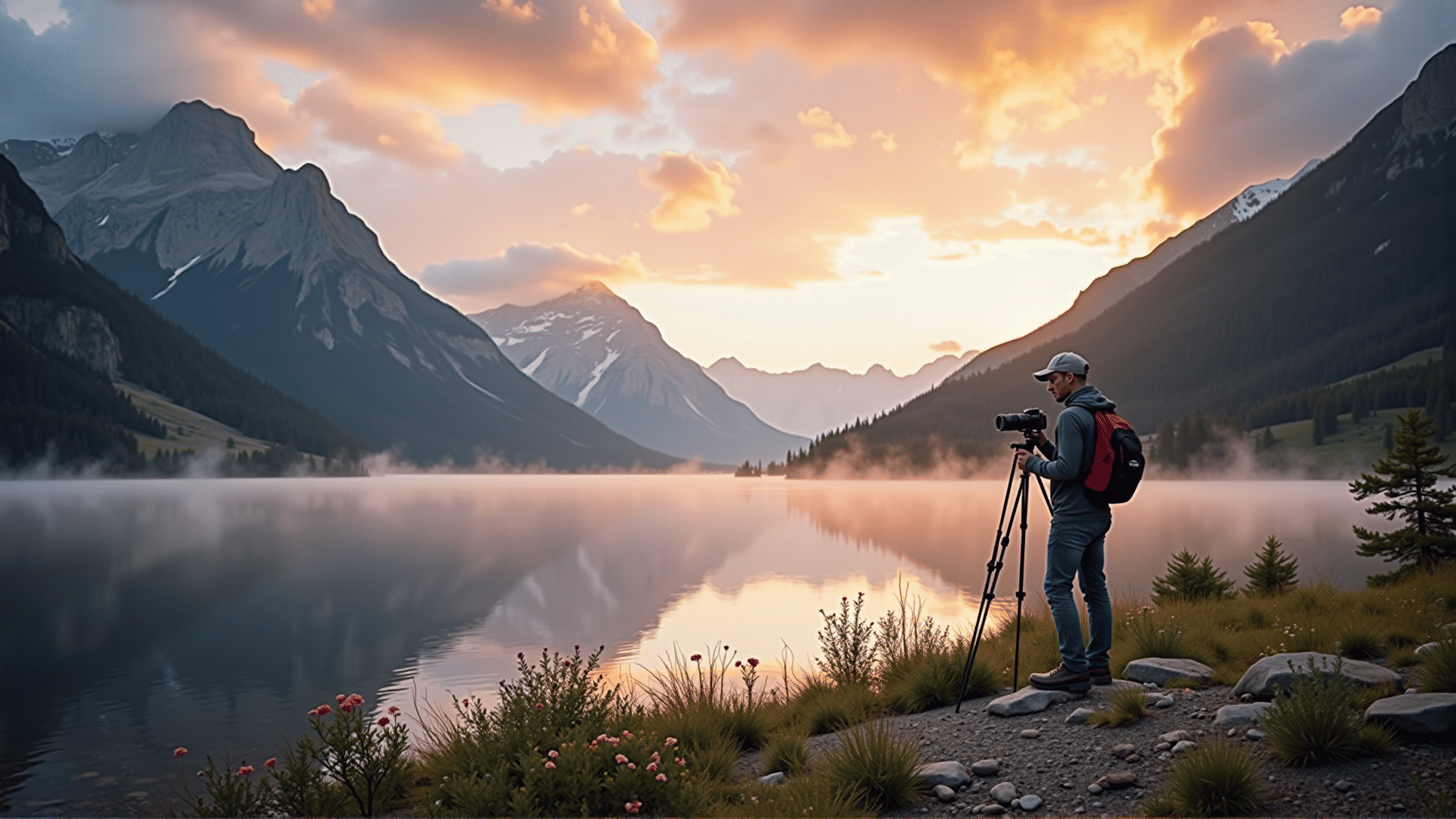
Capturing the beauty of nature through the lens is an art that transcends mere documentation, allowing you to express your personal vision and perspective. This guide delves into techniques that will help you create breathtaking images of the natural world, perfect for both budding and seasoned enthusiasts.
Understanding Light
One of the most crucial aspects of nature photography is mastering light. The quality, direction, and intensity of light can dramatically change the emotion and ambiance of your photo. The golden hours—shortly after sunrise and before sunset—provide soft, warm lighting that is almost magical. Overcast days can also be advantageous, as the diffused light reduces harsh shadows and highlights colors.
Composition Principles
For compelling compositions, adhere to fundamental principles like the rule of thirds, leading lines, and framing. The rule of thirds involves dividing your image into a 3x3 grid and placing the subject at the intersections of these lines for a naturally balanced image. Leading lines, such as a path or river, guide the viewer's eye through the photo. Additionally, use natural elements to frame your subject for added depth and focus.
Paying Attention to Details
Nature is a treasure trove of details waiting to be discovered. Focus on small elements like the texture of a leaf, the symmetry of a butterfly's wings, or the intricate patterns in a spider’s web. Macro techniques excel in highlighting these details, making the micro world as intriguing as vast landscapes.
Capturing Motion
Conveying movement in nature can create dynamic and lively images. To freeze action, like a bird in flight, use a high shutter speed. Alternatively, slow down the shutter to create motion blur, capturing the energy of rushing waterfalls or swaying fields.
Patience and Timing
Nature is unpredictable, requiring patience and adaptable timing. Spend time observing the environment to anticipate subjects or lighting changes. This patience can reward you with rare moments or extraordinary lighting effects.
Ethical Considerations
Respect for nature is paramount. Maintain a safe distance from wildlife and adhere to guidelines in preserves and parks. Avoid disrupting habitats or removing natural items to ensure the ecosystem remains unharmed for future generations.
Experimenting with Perspectives
Break out of the conventional eye-level perspective by exploring different angles. Shoot from ground level to emphasize towering trees or use elevation to capture expansive vistas. This experimentation will bring a fresh perspective to your work.
Post-Processing Techniques
Once you've captured your photo, post-processing can enhance the mood and clarity of your image. While maintaining the authenticity of the scene, you can adjust brightness, contrast, and saturation to highlight the attributes you wish to emphasize. Techniques such as cropping can also refine the composition and remove distractions.
Conclusion
Nature photography is more than just capturing what is seen; it is about conveying what is felt and experienced. Mastering these techniques will help you create images that not only showcase the beauty of the natural world but also reflect your unique artistic sensibility. Happy shooting, and always remember to tread lightly on the earth you aim to capture.